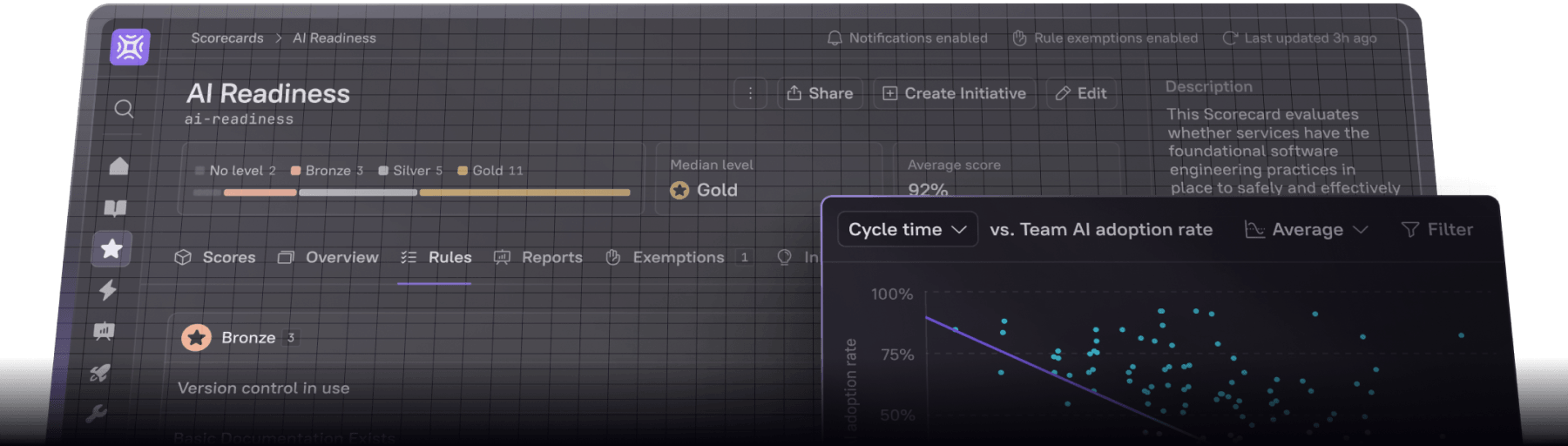
What is Cortex?
Cortex is the Engineering Operations Platform that runs mission control for the AI software factory.
As the SDLC becomes more automated and engineers shift to designing and managing the systems that produce software, Cortex gives leaders the visibility, intelligence, and controls to keep teams shipping fast without runaway risk to reliability, security, and cost.
Our customers – from startups to Fortune 100 enterprises – create a culture of engineering excellence, reducing incidents by 30% and improving MTTR by 50%, all while making it easier for developers to focus on building.


Where Cortex fits
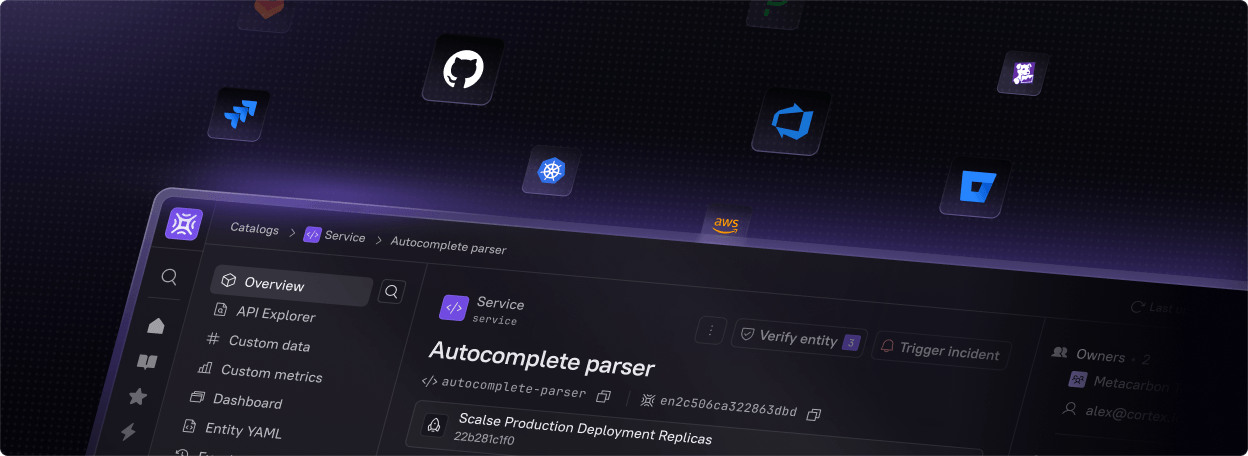
Cortex sits at the center of your engineering organization, connecting every team, agent, tool, and process into a single source of truth. Engineering leaders use Cortex to improve operational maturity, run Operational Excellence reviews, and measure impact. Platform teams, SREs, and security engineers enforce standards without becoming bottlenecks, including the guardrails that keep AI agent output accountable to the same bar as everything else. Developers and agents get self-service workflows, clear ownership, and the context they need to move fast.
By unifying engineering data across 50+ integrations, from GitHub and PagerDuty to Datadog and Jira, Cortex turns fragmented information into shared visibility and coordinated action.
How Cortex works
Cortex creates a continuous improvement loop that makes your engineering organization stronger over time.
First, it centralizes your data into a living context graph. Cortex uses AI to automatically map services, dependencies, and ownership across your entire stack, giving humans and agents a single source of truth they can act on.
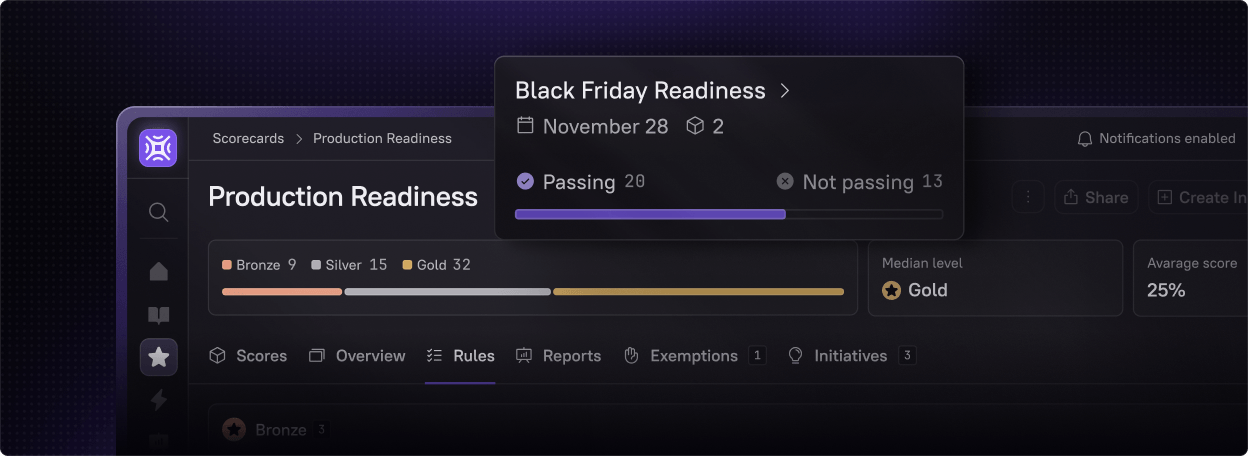
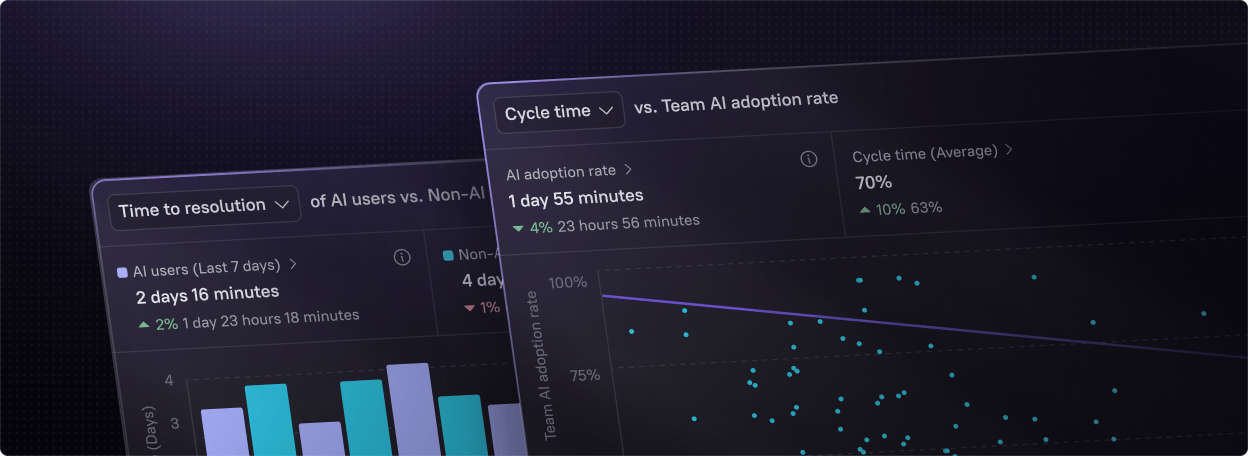
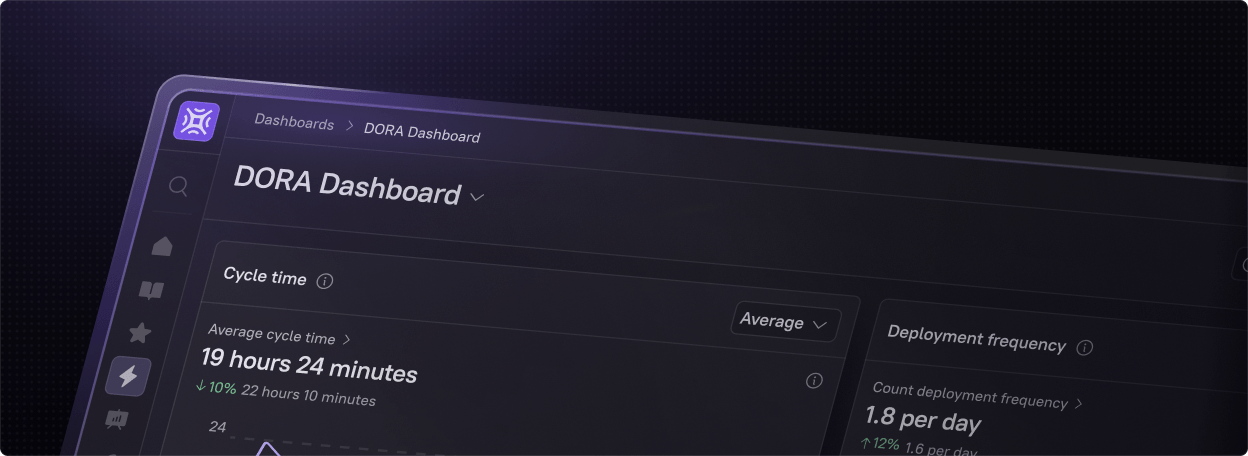
Then it focuses your attention on what matters. Engineering Intelligence and Scorecards translate raw data into the signals leaders use to run the business: maturity gaps, risk patterns, and ROI tied to engineering health. This is the foundation for running DRIVE, the framework for measuring how effectively your organization turns customer needs into reliable software at speed. \
Finally, it gets the whole organization operating as one. Automated Scorecards make standards enforceable. Golden paths embed best practices into developer and agent workflows. Initiatives turn org-wide priorities into trackable execution. And the Operational Excellence review keeps humans in the loop on the work the AI software factory produces, no matter how autonomous it gets.
Why you need Cortex now
Code is no longer the bottleneck. Everything else is.
Software engineering is in its industrial revolution. Agents now write code on behalf of engineering teams, and the trajectory is more automation, not less. The operational systems that turn code into reliable, secure, cost-effective software haven't caught up. Without structured backpressure, accelerated output becomes accelerated risk.
The organizations that win in this new era won't be the ones writing the most code. They'll be the ones who build a strong Engineering Operations muscle that treats their engineering organization as a system to be designed, measured, and continuously improved.
You’re ready for Cortex…
if you have more engineering complexity than can be managed in a spreadsheet.
You're ready when you're asking questions like: "Who owns that service?" "Why is incident response taking so long?" "Are we actually ready for this launch?" "How does our reliability compare across teams?"
You're especially ready if AI is reshaping how you build. The challenge isn't just moving faster, it's maintaining reliability, security, and operational maturity at scale. Cortex gives you the foundation to do both.
Cortex is built for the entire engineering organization
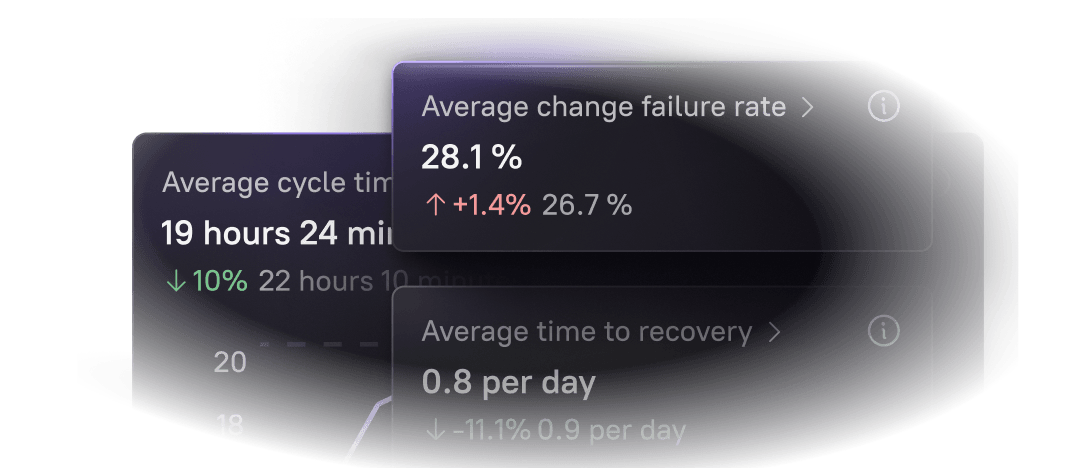
Engineering leaders (VPs, Directors)
Who need visibility across teams and want to measure and drive operational maturity.
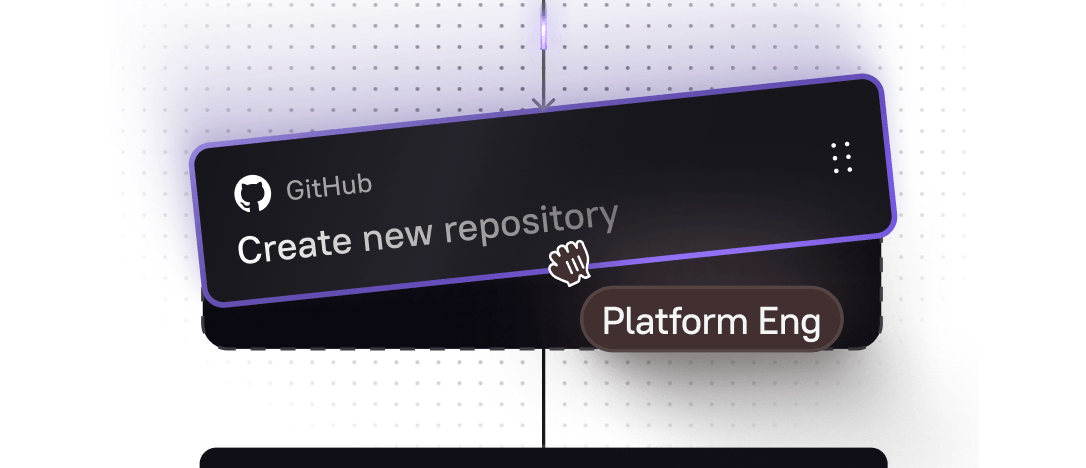
Platform teams
Who build self-service tooling and golden paths so developers ship on paved roads, without having to build and maintain custom infrastructure.
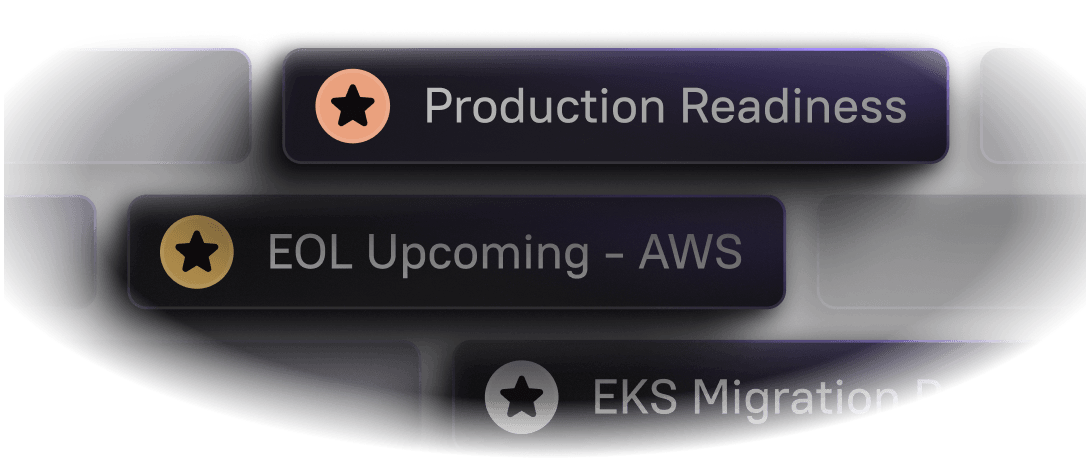
SRE teams
Who enforce production readiness standards, track reliability across every service, and want to catch the gaps before they become 3 AM pages.
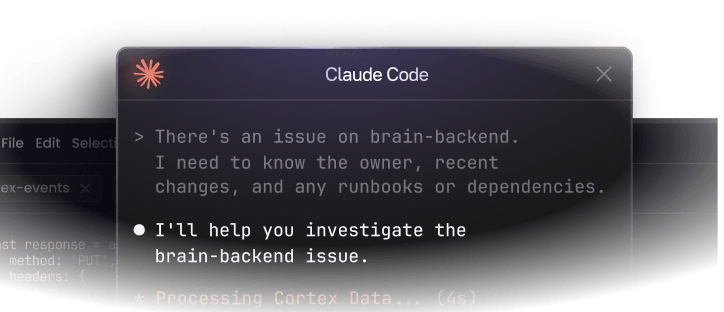
Developers
Use it to move faster with self-service golden paths, clear ownership, and real-time visibility into their services.
Coding agents
That need to understand ownership, dependencies, and golden paths so they can create output that meets standards.

 Take the tour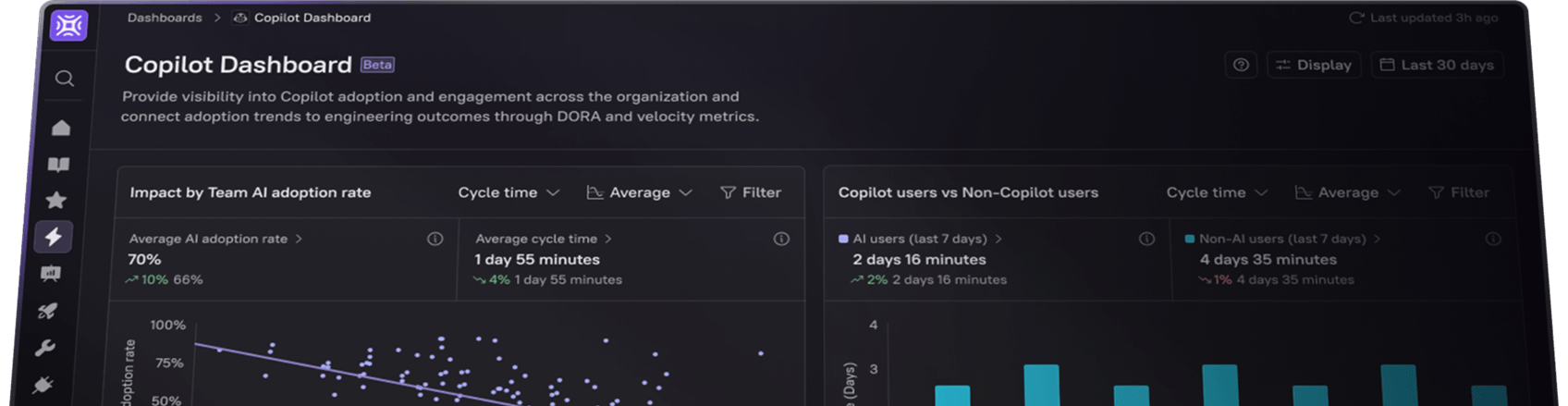
Empowering world-class engineering teams








Amanda Jackson
Technical Program Manager, Rapid7
“Walk away from a spreadsheet for a minute, and it’s already stale. With Cortex, we never have that issue. I can just trust that information is always up to date, and we can leave devs alone that have already done what they need to do.”


Mark Dunlop
Head of Engineering Experience


Egor Kalinichev
Engineering Manager
"This is the angle we look at Cortex from right now. We can utilize it so much more and improve the developer experience so much more. So that's what we're going for."


Hariprasad Babu
Manager Technology
“Cortex gets rid of the repetitive manual work so you can focus on the innovative feature development that drives real value.”


Joshua Marble
Manager of Developer Experience
“Cortex shaped how we deliver software. It gave us a foundation to move faster and build the right way from day one.”


Shaun McCormick
Principal Software Engineer
“We know if an engineer gets pulled out of what they’re doing, it takes 30 minutes to re-engage, Cortex lets us reduce noise and keep our team focused on the highest priority work.”

Amanda Jackson
Technical Program Manager, Rapid7
“Walk away from a spreadsheet for a minute, and it’s already stale. With Cortex, we never have that issue. I can just trust that information is always up to date, and we can leave devs alone that have already done what they need to do.”
Mark Dunlop
Head of Engineering Experience
Egor Kalinichev
Engineering Manager
"This is the angle we look at Cortex from right now. We can utilize it so much more and improve the developer experience so much more. So that's what we're going for."
Hariprasad Babu
Manager Technology
“Cortex gets rid of the repetitive manual work so you can focus on the innovative feature development that drives real value.”
Joshua Marble
Manager of Developer Experience
“Cortex shaped how we deliver software. It gave us a foundation to move faster and build the right way from day one.”
Shaun McCormick
Principal Software Engineer
“We know if an engineer gets pulled out of what they’re doing, it takes 30 minutes to re-engage, Cortex lets us reduce noise and keep our team focused on the highest priority work.”



FAQs
Engineering Operations (EngOps) is the discipline of continuously improving how your engineering organization turns customer needs into reliable software.
Think of it like Sales Ops or Marketing Ops, but for engineering. Sales Ops focuses on the systems, processes, and visibility that make the whole sales organization more effective. EngOps does the same for engineering: reducing friction, enforcing best practices, and giving leaders the data they need to make good decisions at scale.
As AI agents take on more of the line work of writing code, the operational layer is where competitive advantage lives. EngOps is how leading teams stay ahead of the operational debt that AI throughput creates.
For a deeper look at how the discipline took shape and what it means for AI-accelerated teams, read our guide to Engineering Operations.