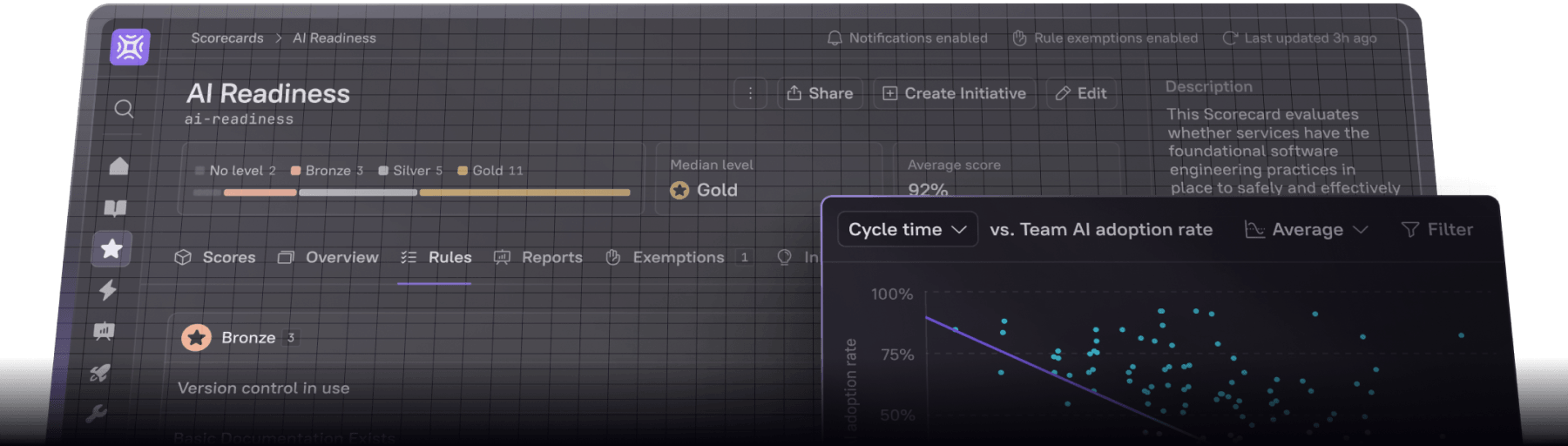
Ganesh Datta
HostCTO & Co-founder of Cortex

Steve Evans
Former SVP of Engineering
February 12, 2026

In This Episode
Cortex co-founder and CTO Ganesh Datta sits down with Steve Evans, the former SVP of engineering at Chegg. Steve shares his honest perspective on the "micro" in microservices and explains why making service creation too frictionless can accidentally lead to a massive organizational tax.
The discussion covers the transition from building for hypothetical future problems to focusing on actual business outcomes. Ganesh and Steve also dive into the "game of telephone" that often blocks context from reaching individual developers and discuss why engineering leaders should value qualitative sentiment as much as technical data.
You’ll learn
Engineering teams often over-build for ambiguous future problems that never actually arrive. Build for today's problems to avoid painting yourself into a corner with unnecessary infrastructure.
When the cost of a new service is nearly zero, developers will naturally choose to spin up new ones instead of digging into existing code. This creates a cognitive tax that slows down onboarding and makes working across teams feel impossible.
Technical metrics like release frequency are helpful for spotting anomalies, but they don't tell you if you're heading in the right direction. True productivity should be measured by business KPIs like payment success rates or accuracy of results.
Context often gets blocked as it trickles down from the C-suite to the individual contributor. Small roundtables with mixed groups are more effective than large all-hands meetings for identifying where that context is getting lost.
Leaders should look at the hard data but also pay close attention to the anecdotes and sentiment of their teams. If the metrics look good but the customers or engineers are unhappy, you've still got a problem to solve.
Quotes
"What I was railing against was the micro in microservices. We gave the team a hammer and everything became a nail."
Steve Evans
Former SVP of Engineering

"Someone pulls up the service map in your observability platform and it makes the New York City subway system seem simple. You're sitting there unwinding the Christmas tree lights and trying to figure out how this thing works."
Steve Evans
Former SVP of Engineering
"We've been measuring for a very long time how fast engineers run on a treadmill, not how far they're going."
Steve Evans
Former SVP of Engineering
"This isn't IT summer camp. We're not here for kicks and giggles. We're here to produce business outcomes."
Steve Evans
Former SVP of Engineering
Timestamps
01:08
Defining microservices as a trillion dollar mistake when they're over-engineered.
04:00
How zero-cost service creation creates an incentive model that backfires.
12:04
Identifying the macro tax of architectural complexity during critical incidents.
13:58
The cognitive tax that every developer pays when navigating a complex ecosystem.
19:34
Breaking down the difference between "miles per gallon" metrics and actual outcomes.
28:54
Why uptime is not the be-all and end-all for every business.
33:36
Managing the game of telephone between leadership and individual contributors.
41:48
Using small roundtables to identify and fix communication blockages.
46:28
Balancing quantitative data with qualitative sentiment to measure organizational health.
Other episodes
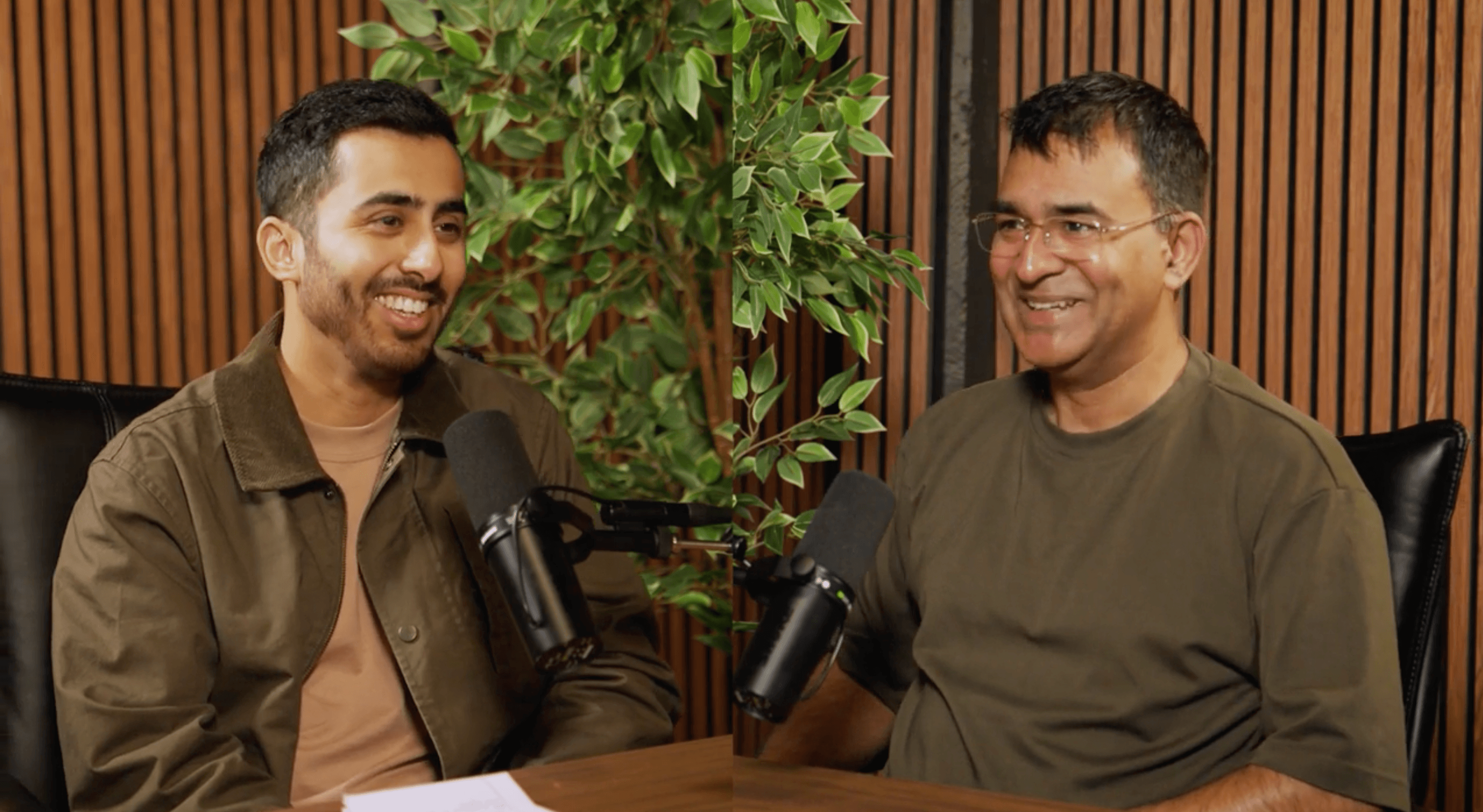 October 8, 2026
Signadot's Arjun Iyer on closing the validation loop for coding agents
Arjun Iyer
CEO and Co-Founder

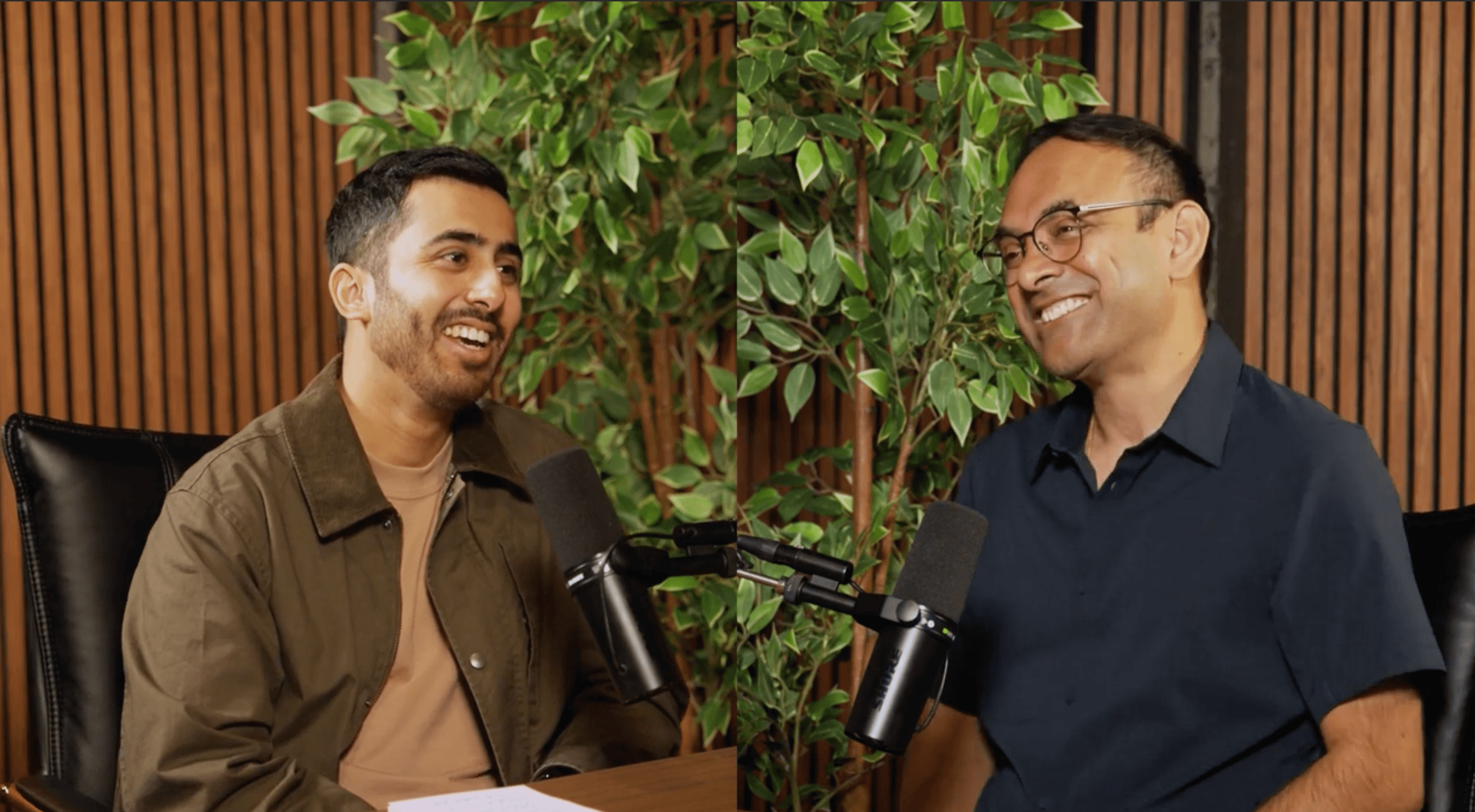 September 10, 2026
Outcomes over activities: Planera's Naveen Puvvula on aligning humans and agents to the work that matters
Naveen Puvvula
Senior Principal Engineer at Planera

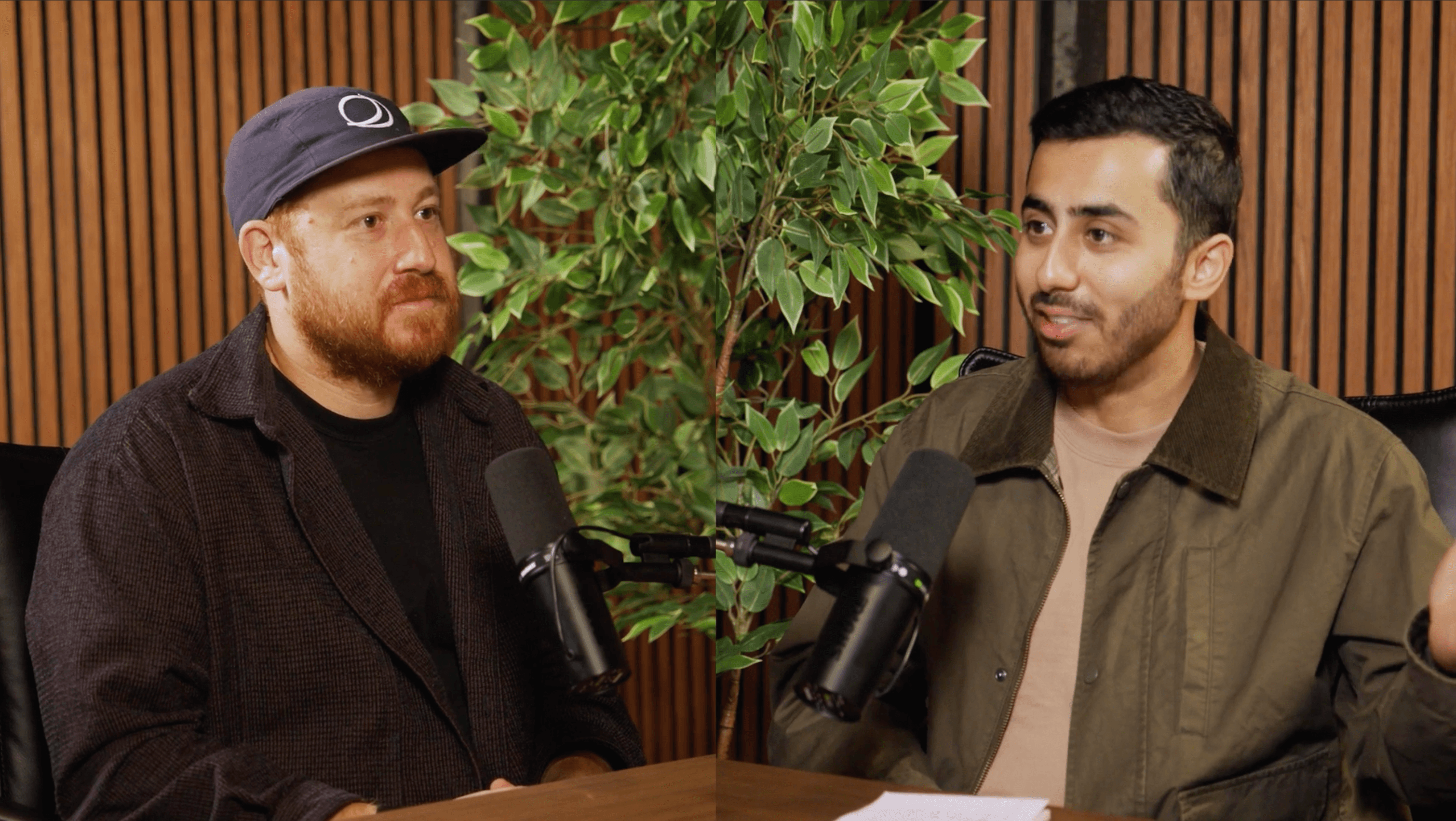 September 8, 2026
Attacker expertise just got commoditized: Semgrep's Adam Berman on security in the agent era
Adam Berman
Engineering Leader