Ganesh Datta
HostCTO & Co-founder of Cortex

Matt Bailey
Founder and Executive Producer
May 21, 2026

In This Episode
Matt Bailey is a DevOps consultant and the founder of Merge Ready, a DevOps community and YouTube channel. He spends most of his time working with large regulated organizations across finance, healthcare, and government, helping them untangle the tooling decisions and processes that stall their software delivery.
In this episode of Braintrust, Matt and Cortex CTO Ganesh Datta dig into why buying a new CI/CD platform doesn't count as a DevOps transformation, what "decision latency" costs regulated organizations, and how to automate compliance.
You’ll learn
Implementing a tool is not a transformation. Matt sees the same pattern across industries: organizations roll out a new platform, wrap some theater around it, and call it DevOps. If the underlying process is unchanged, you've just moved the bottleneck to a different system.
Compliance doesn't have to be a bottleneck. In regulated environments, compliance is non-negotiable, but controls-as-code, automated evidence collection, and standard change workflows can replace the multi-day approval chains that stall releases.
“Decision latency” is the real blocker, not technology. When a dev server request takes 30 days because it requires six approvals across three different ticketing systems, the constraint isn't technical. If a process is too complicated to document accurately, it's too complicated to keep.
Platform teams that turn into ticket queues turn into gates. Treat your internal platform like a product instead of a cost center: iterate on developer experience, measure adoption, and the platform sells itself.
Stakeholder management is a core DevOps skill. What looks like politics is often just people's interests you haven't mapped yet. Align your proposal to their pressures, and the path to approval gets shorter.
Quotes
"DevOps is an outcome. It's not a toolchain. It's not the CI/CD platform that you've just implemented, because by and large, it doesn't matter what CI/CD platform you pick if your process is crap or non-existent."
Matt Bailey
Founder and Executive Producer

"If your process has become that difficult to document, they're probably too complex or need consideration."
Matt Bailey
Founder and Executive Producer
"The perception of politics you need to be careful with because that really just means people's interests that you don't yet know or understand."
Matt Bailey
Founder and Executive Producer
Timestamps
(00:34)
Matt's background and what he's seen across regulated industries in finance, healthcare, and government.
(03:20)
Why DevOps is an outcome, not a toolchain, and what most transformations get wrong.
(05:31)
What a DevOps culture actually looks like and how to measure it.
(07:50)
Platform engineering vs. DevOps: where the roles diverge and overlap.
(11:36)
Whether DevOps flow is achievable when compliance is non-negotiable.
(14:07)
Decision latency and a real example of automating change management with standard change workflows.
(22:43)
Where to start: pick a pilot team, codify compliance, and stay audit-ready.
(27:58)
Stakeholder management as a DevOps skill and how to make the case for change internally.
(35:20)
How AI changes the path to DevOps outcomes without changing the outcomes themselves.
Other episodes
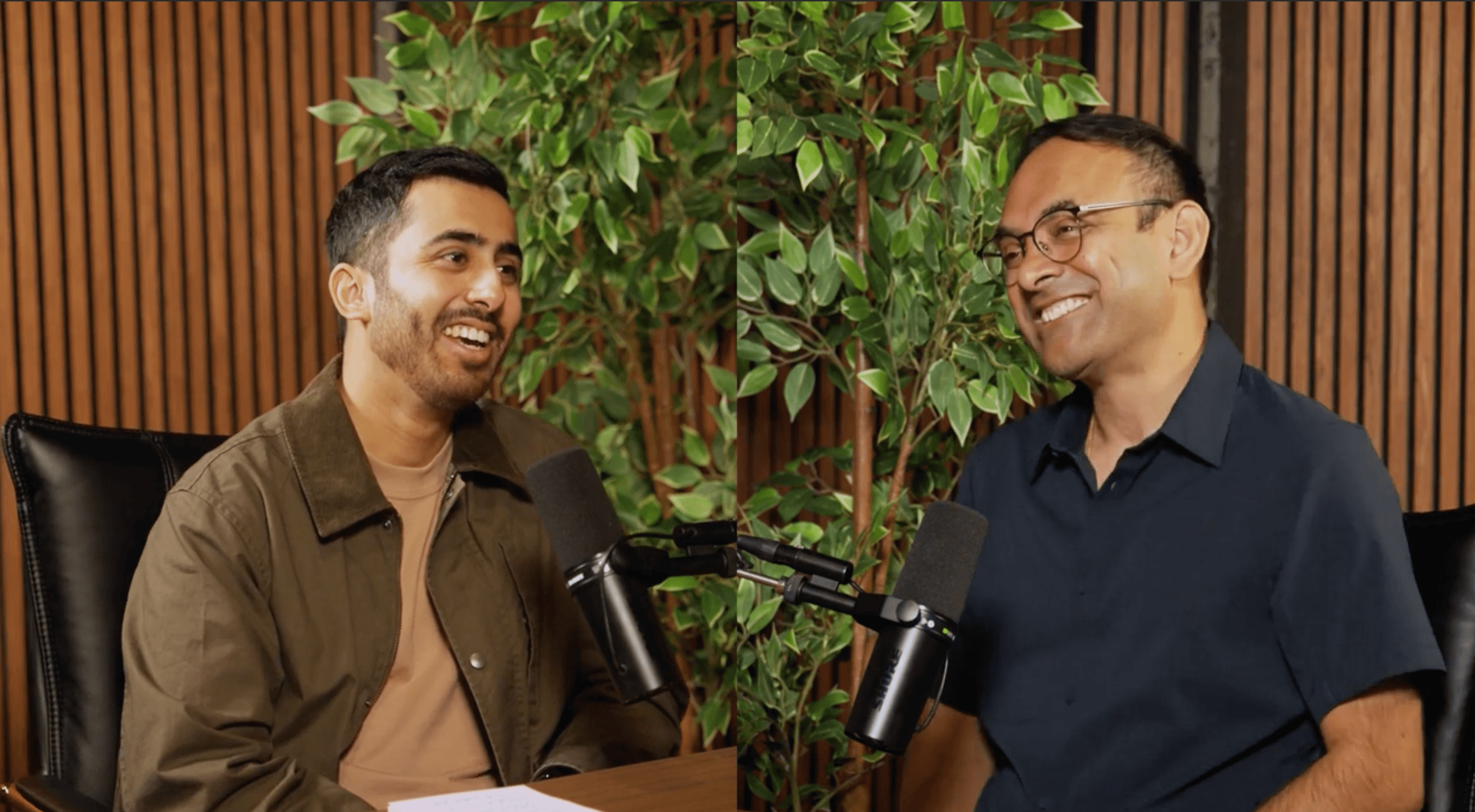 September 10, 2026
Outcomes over activities: Planera's Naveen Puvvula on aligning humans and agents to the work that matters
Naveen Puvvula
Senior Principal Engineer at Planera

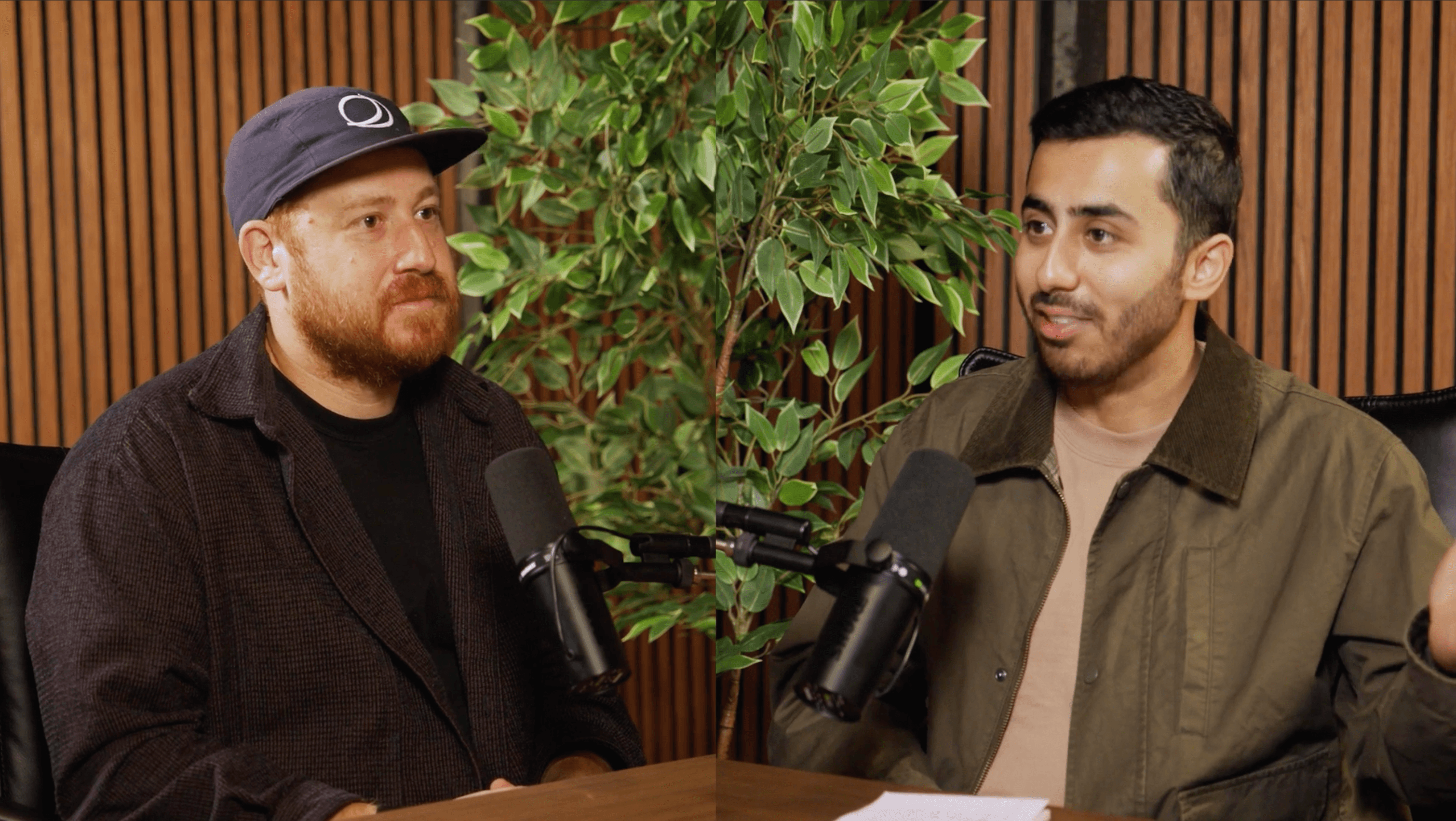 September 8, 2026
Attacker expertise just got commoditized: Semgrep's Adam Berman on security in the agent era
Adam Berman
Engineering Leader

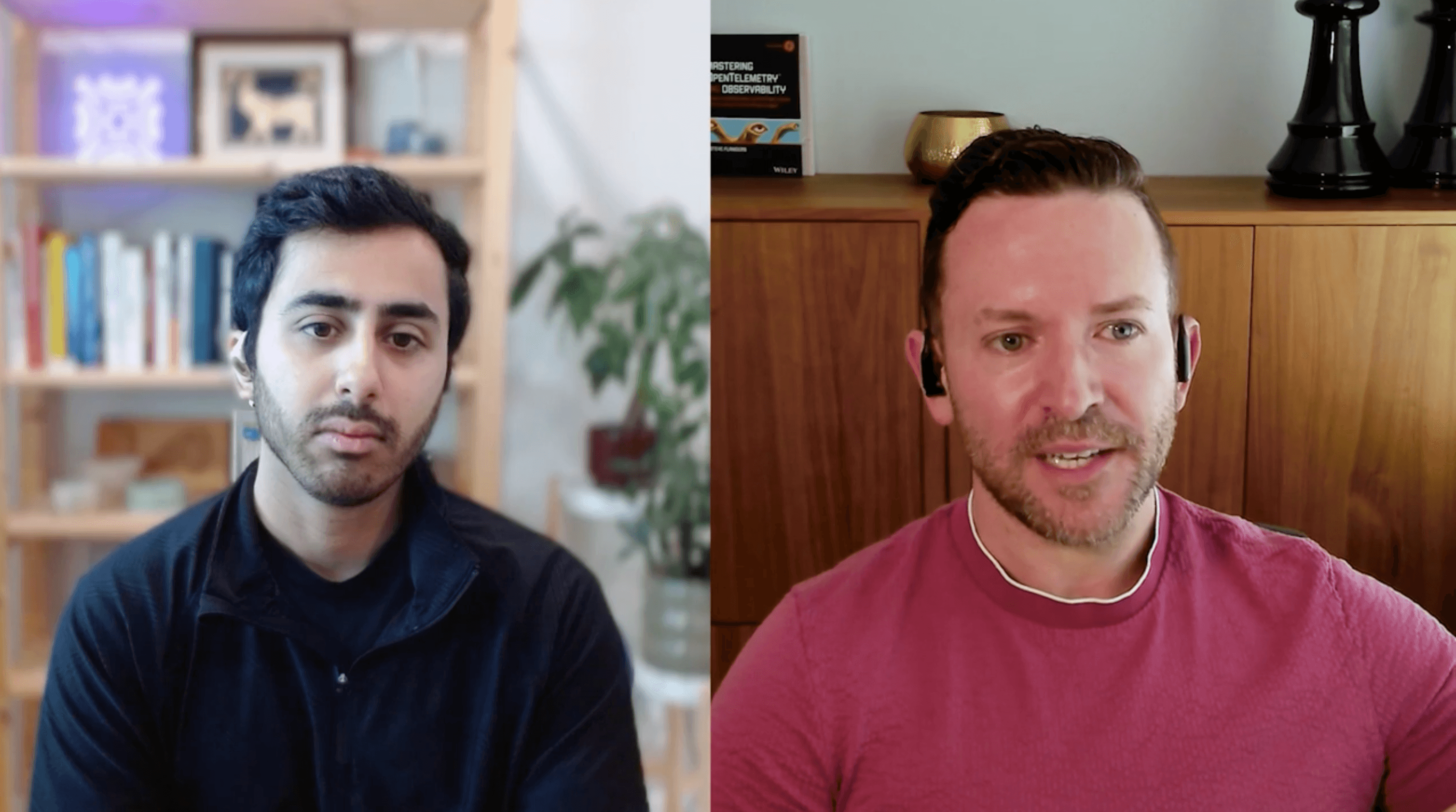 September 8, 2026
Garbage in, Garbage out: Splunk's Steve Flanders on why AI Can't Fix your Bad Telemetry
Steve Flanders
Senior Director of Engineering at Splunk