
Every December, Spotify launches its infamous Wrapped campaign, which sends millions of users into a frenzy about their listening habits. They become pseudo data scientists and analyze how frequently they listen to their guilty pleasures, their kids' terrible playlists, or the music they love that nobody else has heard of yet.
We love this tradition, so we're bringing it to Cortex.
This year, Cortex users shipped faster, measured smarter, and proved what's possible when you give teams the right tools to understand their systems. Here's what 2025 looked like across the platform.

10 million entities and counting
Engineering organizations are complex. This year, Cortex users imported over 10 million entities to the platform, including 246,000 services, 184,000 repositories, and 41,000 teams. That's a lot of moving parts to keep track of, and it's exactly why catalogs exist in the first place.
When systems grow beyond what any one person can hold in their head, you need a single source of truth.
Thousands of Scorecards enforcing what matters
Standards don't enforce themselves. Teams created 2,075 Scorecards this year to measure production readiness, security compliance, and operational excellence. About half of those (1,285) moved past draft status and into active use, meaning teams actually adopted them rather than letting them gather dust.
Scorecards work because they make expectations visible. Instead of tribal knowledge about what "ready for production" means, teams can see their progress in real time and understand exactly what needs to happen before a service ships.
Integrations that connect the ecosystem
Cortex doesn't replace your existing tools. It connects them. This year, teams connected 4,358 integrations.
The most popular integrations reveal how modern engineering teams actually work:
AWS and Azure Resources for infrastructure visibility
Jira for tracking work and incidents
PagerDuty for on-call and incident management
SonarQube for code quality metrics
Teams need a way to pull signal from multiple sources and make sense of it in one place. The challenge is making those tools work together effectively.
A global footprint
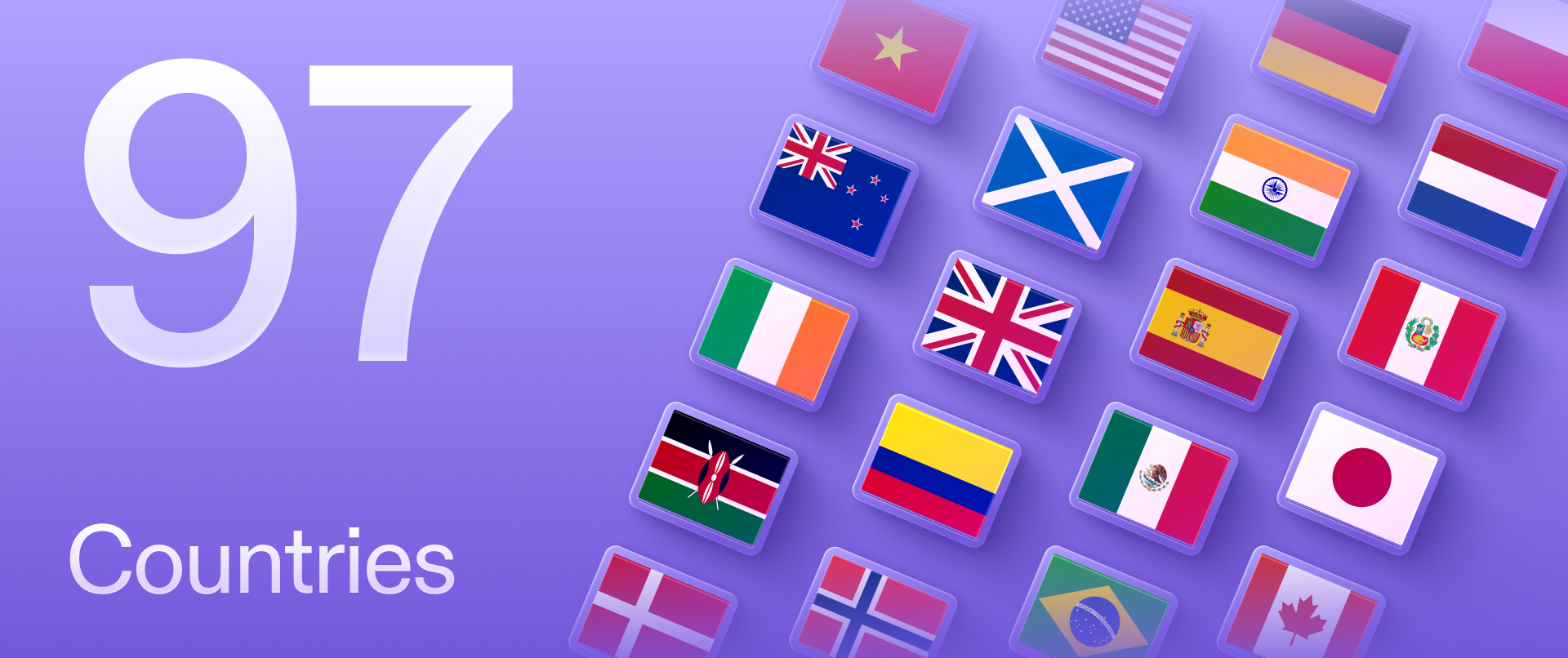
Engineering happens everywhere. Cortex users are now in 97 countries, 48 US states, and 2,800 cities around the world. From Vietnam to Scotland, from Peru to New Zealand, teams are using the platform to build better software.
We're still missing the Dakotas. If you know an engineering team there looking for an internal developer portal, send them our way.
Measuring the impact of AI and automation
Two features highlight how teams are using automation to move faster this year:
Model Context Protocol (MCP): Since launching Cortex MCP in July, users have run 25,109 queries, using AI to understand their catalogs, find services, and get answers without switching context.
Workflows: Teams ran 36,581 workflows in 2025, automating everything from service creation to infrastructure provisioning. Automation works best when it's built on accurate data, and Cortex workflows deliver both.
Investing in knowledge Cortex works best when teams know how to use it. This year, 570 users completed 1,111 courses through Cortex Academy, spending 611 hours learning how to build better catalogs, write effective scorecards, and automate critical workflows.
The most popular courses reveal what teams prioritize when they're getting started:
Understanding catalogs, entities, and relationships Understanding scorecards Understanding workflows Cortex solutions: production readiness
When teams understand the underlying concepts rather than just clicking through features, they build systems that actually solve problems. The hours spent in Cortex Academy translate into teams who can configure the platform to match how they work, not the other way around.
Investing in knowledge
Cortex works best when teams know how to use it. Since launching Cortex Academy in May, users have completed 1,111 courses and have spent 611 hours learning how to build better catalogs, write effective Scorecards, and automate critical workflows. That early momentum shows teams recognize that understanding the platform drives better results.
The most popular courses reveal what teams prioritize when they're getting started:
Understanding catalogs, entities, and relationships
Understanding Scorecards
Understanding workflows
Cortex solutions: production readiness
When teams understand the underlying concepts rather than just clicking through features, they build systems that actually solve problems. The hours spent in Cortex Academy translate into teams who can configure the platform to match how they work, not the other way around.
Real outcomes from real teams
The statistics are interesting, but the customer results are what matter. Here's what three teams accomplished this year using Cortex:
H&R Block reduced Mean Time to Resolution (MTTR) from up to 24 hours down to less than one hour, and cut Mean Time to Acknowledge (MTTA) to under 10 minutes. They also eliminated 3 to 5 days of manual seasonal prep work for senior leadership.
Skyscanner reduced their cycle time by 50% from Q1 to Q2, proving that measurement drives improvement when teams have the right visibility.
Archer automated service creation with workflows, saving approximately 24 hours per service. Across 30 workflow runs in three months, that added up to $72,000 in time savings.
What velocity actually looks like
Across the platform, we tracked two metrics that show what happens when teams have better tooling:
Pull requests per developer increased by 20%. More PRs doesn't always mean more productivity, but when combined with other signals, it suggests teams are shipping smaller, more frequent changes rather than holding work in progress.
Deployment frequency increased by 64%. This one matters. Shipping more often, with confidence, is one of the clearest indicators of engineering maturity. Cortex customers are moving in the right direction.
These metrics align with broader trends we're seeing across the industry. We recently surveyed 500+ engineering leaders about how AI is changing the way teams ship software. The results reveal how top-performing teams are using AI tools, measuring developer productivity, and building platforms that enable velocity at scale. Get the full report here.
Thank you
None of this happens without the teams who trust Cortex to organize their engineering operations. We're grateful to be part of how you build software, and we're excited to see what 2026 brings.
Want to see your stats next year? Get started with Cortex or try our interactive demo.