Ganesh Datta
HostCTO & Co-founder of Cortex

Kaspar von Grünberg
CEO & Co-founder
December 18, 2025

In This Episode
Cortex co-founder and CTO Ganesh Datta discusses the evolution of platform engineering with Kaspar von Grünberg, CEO and co-founder of Humanitec. Kaspar draws a sharp contrast between the "artisanal" method of software development and the industrialized approach required for modern enterprises. He argues that relying on individual heroes to "YOLO" their way through deployments is unsustainable, and that true scale demands standardized, reliable systems.
Ganesh and Kaspar unpack why standardization doesn't kill creativity, the critical difference between "rigid paths" and "Golden Paths," and why treating your platform as a product is non-negotiable. They also discuss the emerging role of AI, arguing that AI agents are effectively a new class of "junior engineer" that makes robust platforms more essential than ever.
You’ll learn
While the "craftsman" approach to coding feels heroic, it creates tribal knowledge and maintenance nightmares. Scaling requires moving from individual artistry to standardized, reliable systems—much like the shift from workshops to factories in the automotive industry.
You can't force developers to use a platform. Instead, you must build "Golden Paths," which are pre-configured, compliant, and easy routes to production that are so convenient that developers choose them by default over doing it themselves.
Treating platform engineering as a temporary initiative often leads to failure. Successful teams manage it with the same rigor as customer-facing software. This means assigning a Product Manager, securing a recurring budget, and building a roadmap focused on business outcomes.
Kaspar argues that constraints actually free developers to focus on higher-level problem solving rather than infrastructure plumbing.
AI agents act like junior engineers. They need clear interfaces, guardrails, and structured paths to operate safely. A strong platform allows you to unleash agents without breaking production.
Quotes
"You don't want to push people to use the platform. The platform should create a pull because it's so much better than what you have right now. Customer zero matters. Build something for a small team that's 10x better than what they have right now."
Kaspar von Grünberg
CEO & Co-founder

"It is not true that standardization and abstraction equals limited creativity. I spent a lot of my youth composing Baroque music, and the thing that this taught me is that creativity can absolutely come from restriction. Sometimes restrictive systems can spark way more creativity than a blank piece of paper."
Kaspar von Grünberg
CEO & Co-founder
"I am thinking about AI from two perspectives. As platform engineers, we now have a new user group and that user group is called the agent. Our agents are not different to junior engineers in that they need well documented interfaces and they need strong guardrails."
Kaspar von Grünberg
CEO & Co-founder
"The car manufacturers building more types of cars didn't negate the need for standardized manufacturing flows. If anything, it made it even more important. With AI, we're seeing the same thing. It's an amplifier. If you already have people YOLOing things around your organization, they're gonna YOLO things even harder."
Ganesh Datta
CTO & Co-founder of Cortex

Timestamps
01:20
The hidden costs of artisanal development
03:41
What 1907 Detroit teaches us about DevOps
08:46
Golden Paths vs. rigid mandates
14:08
Aligning platform goals with business outcomes
19:26
Using constraints to drive creativity
26:13
Why platforms need a product mindset
33:23
Treating AI agents as junior engineers
39:55
Learning from common platform failures
Other episodes
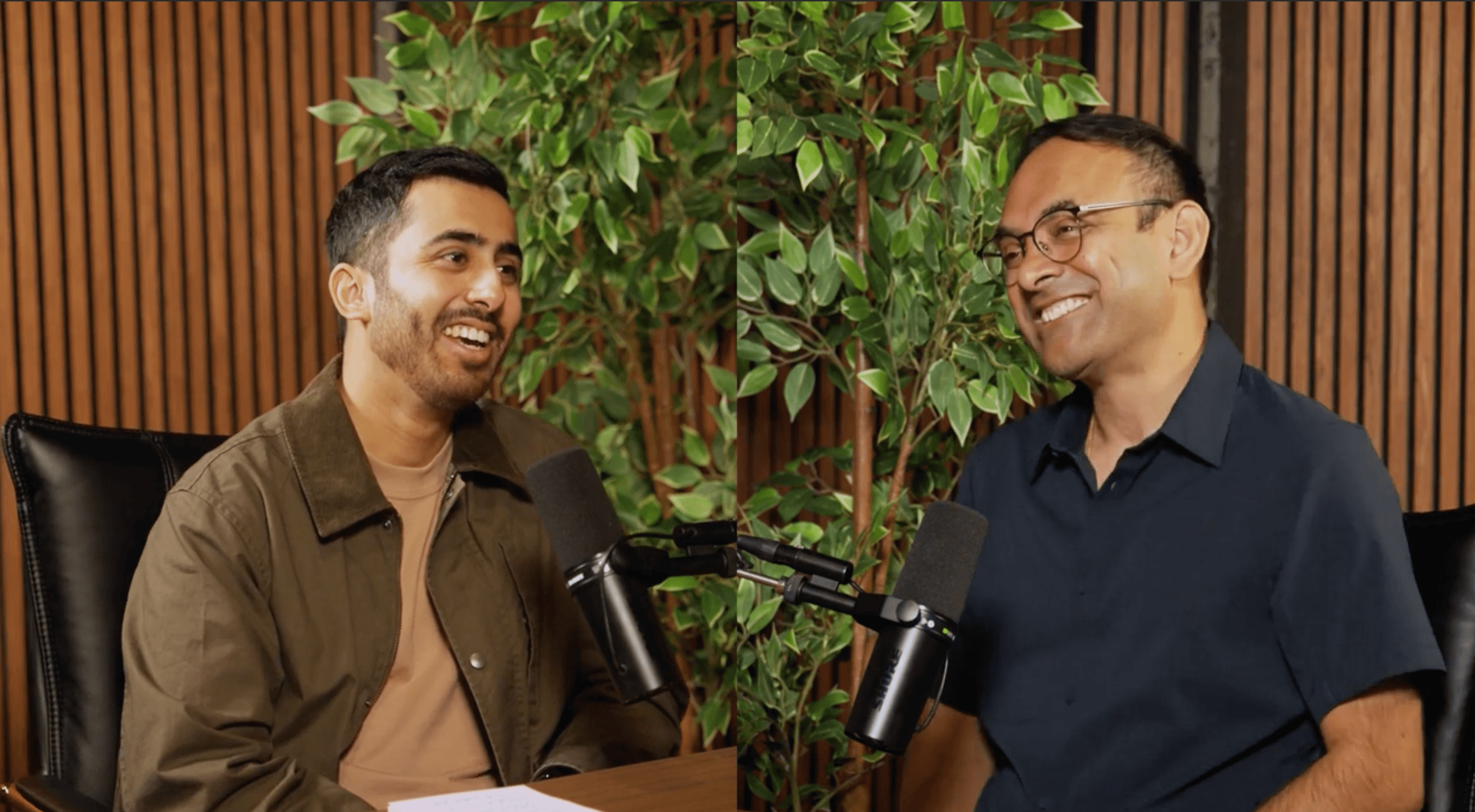 September 10, 2026
Outcomes over activities: Planera's Naveen Puvvula on aligning humans and agents to the work that matters
Naveen Puvvula
Senior Principal Engineer at Planera

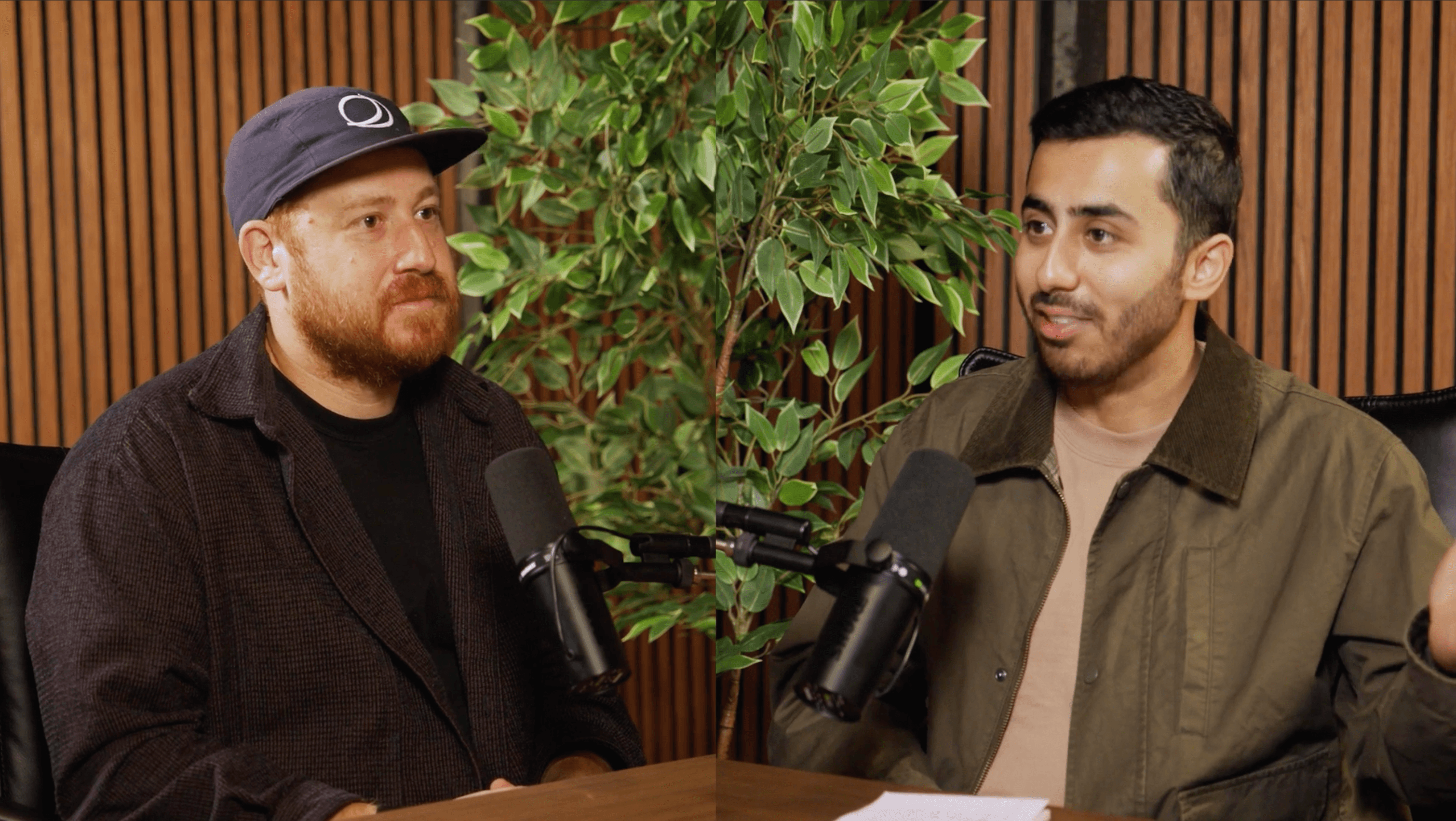 September 8, 2026
Attacker expertise just got commoditized: Semgrep's Adam Berman on security in the agent era
Adam Berman
Engineering Leader

 September 8, 2026
Garbage in, Garbage out: Splunk's Steve Flanders on why AI Can't Fix your Bad Telemetry
Steve Flanders
Senior Director of Engineering at Splunk