Ganesh Datta
HostCTO & Co-founder of Cortex

Shawn Burke
Distinguished Engineer
June 18, 2026

In This Episode
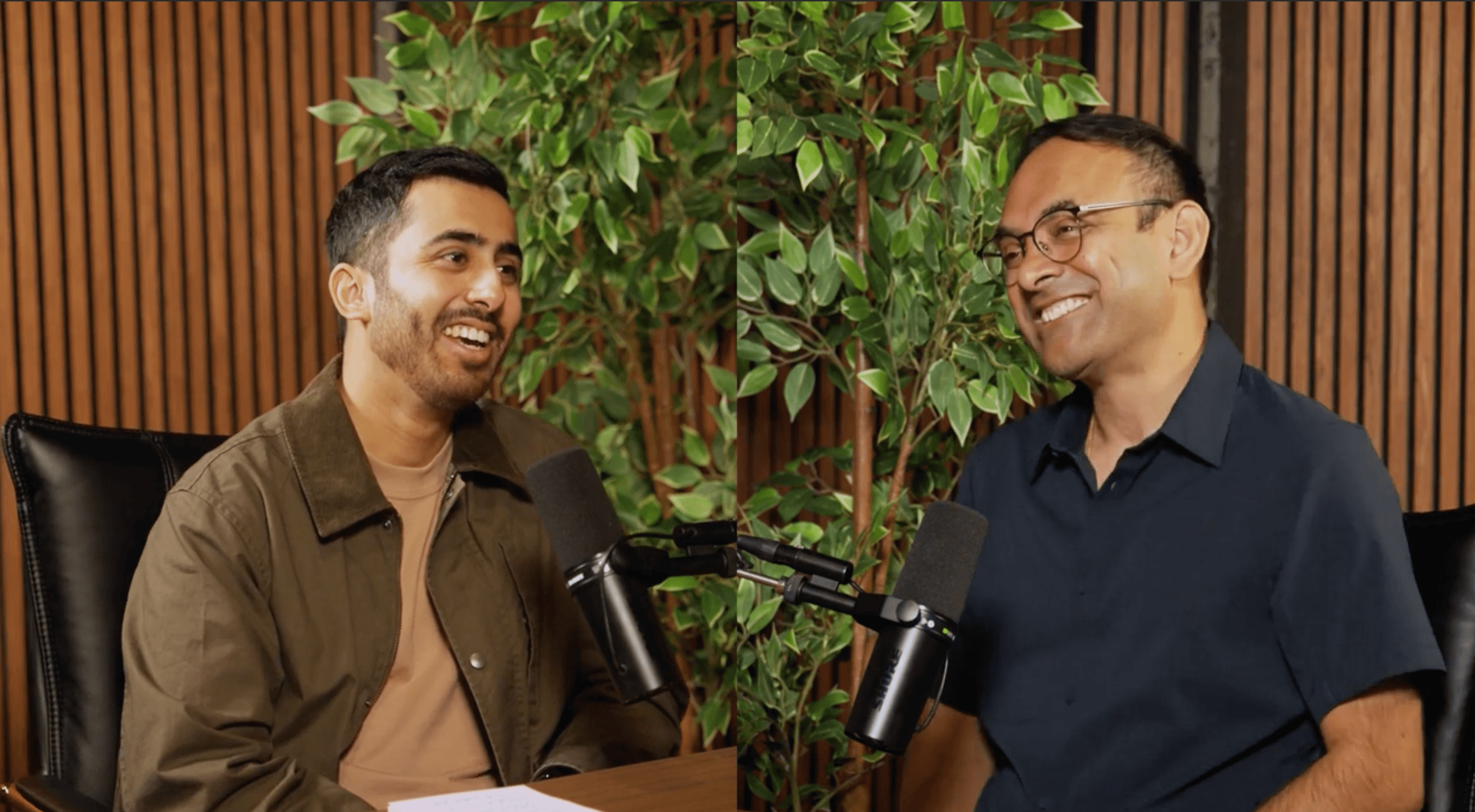
In this episode of Braintrust, Cortex co-founder and CTO Ganesh Datta sits down with Shawn Burke, Distinguished Engineer at Cortex. Shawn has led operational excellence efforts at Microsoft, Uber, and SoFi, and brings a practitioner's playbook for how to actually run these weekly reviews, from automating red/green reports, including senior leadership, and engaging in relentless follow-through on action items.
They dig into the mechanics that make operational excellence reviews successful and the reasons most attempts fall short, includinghow to define SLOs that reflect customer experience rather than engineering vanity, why the whole process collapses without automation, and how AI coding assistants are creating new categories of operational risk worth tracking.
You’ll learn
The meeting only works if the right leader is in the room. A CTO engaging with the review sends a clear signal that operational health matters. Otherwise, action items evaporate by the next morning.
Automate the report or the whole thing falls apart. At his last company, Shawn ran a Python script every Monday morning that generated a markdown report and posted it to a GitHub repo. If humans have to manually pull metrics every week, the process will not survive.
Set your SLOs as low as your customer will tolerate. Engineers instinctively reach for five nines. Each additional nine is exponentially more expensive. The goal is the lowest availability target that still satisfies the customer.
Cross-team pattern recognition is the hidden value. Organizations are vertical, information flows up and down, not side to side. The operational excellence review is often the only forum where multiple teams discover they share the same problem.
AI-generated code needs its own operational lens. SLOs and golden signals still apply, but AI assistants produce large volumes of unit tests that pass but break falsely later. Code review quality, not delivery speed, is where teams should invest more of their attention next.
Quotes
The only effective thing I've seen in organizations to drive an outcome is to check that outcome on a repeated basis.
Shawn Burke
Distinguished Engineer

If people are going to be responsible for manually pulling together a report every week, the whole thing will fall apart. It has to be automated.
Shawn Burke
Distinguished Engineer
Each additional nine is exponentially more work to hit. That's one of the reasons you want the lowest target that satisfies your customers.
Shawn Burke
Distinguished Engineer
Timestamps
(0:20)
Shawn's background and what a Distinguished Engineer actually does.
(1:17)
Defining operational excellence and why it matters for the business.
(4:51)
How to structure an operational excellence review.
(8:54)
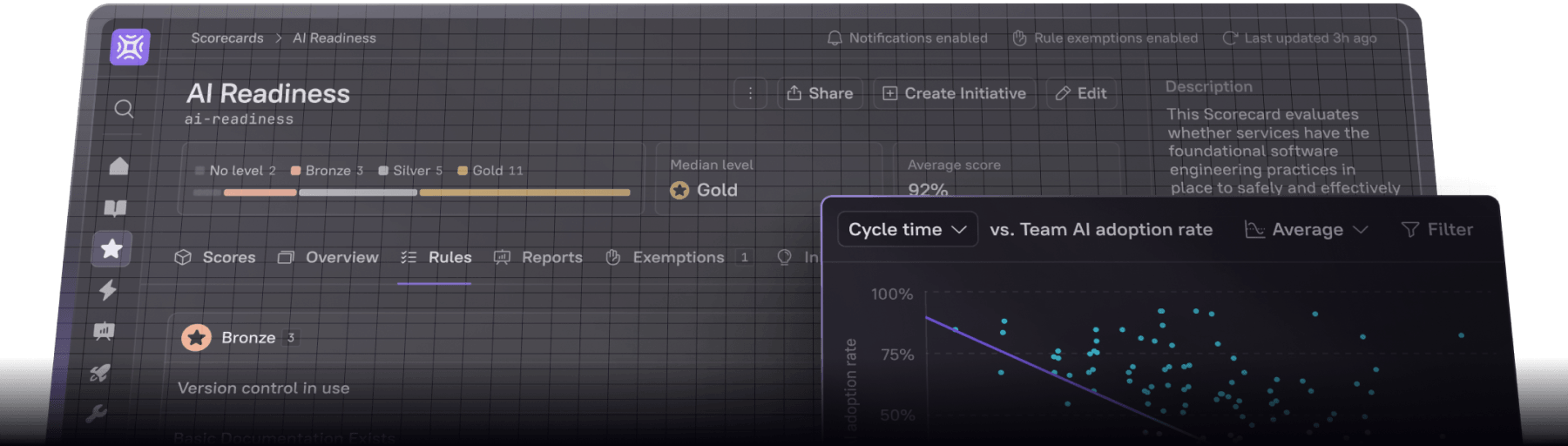
How to choose the right metrics: SLOs, golden signals, and Cortex Scorecards.
(11:49)
Managing noise and keeping the review focused and under an hour.
(13:18)
Red, green, and the judgment calls in between.
(16:31)
How to structure the walkthrough by business unit.
(19:01)
Should individual teams run their own operational excellence reviews?
(22:07)
How AI coding assistants change (and don't change) what you should track.
Other episodes
 September 10, 2026
Outcomes over activities: Planera's Naveen Puvvula on aligning humans and agents to the work that matters
Naveen Puvvula
Senior Principal Engineer at Planera

 September 8, 2026
Attacker expertise just got commoditized: Semgrep's Adam Berman on security in the agent era
Adam Berman
Engineering Leader

 September 8, 2026
Garbage in, Garbage out: Splunk's Steve Flanders on why AI Can't Fix your Bad Telemetry
Steve Flanders
Senior Director of Engineering at Splunk